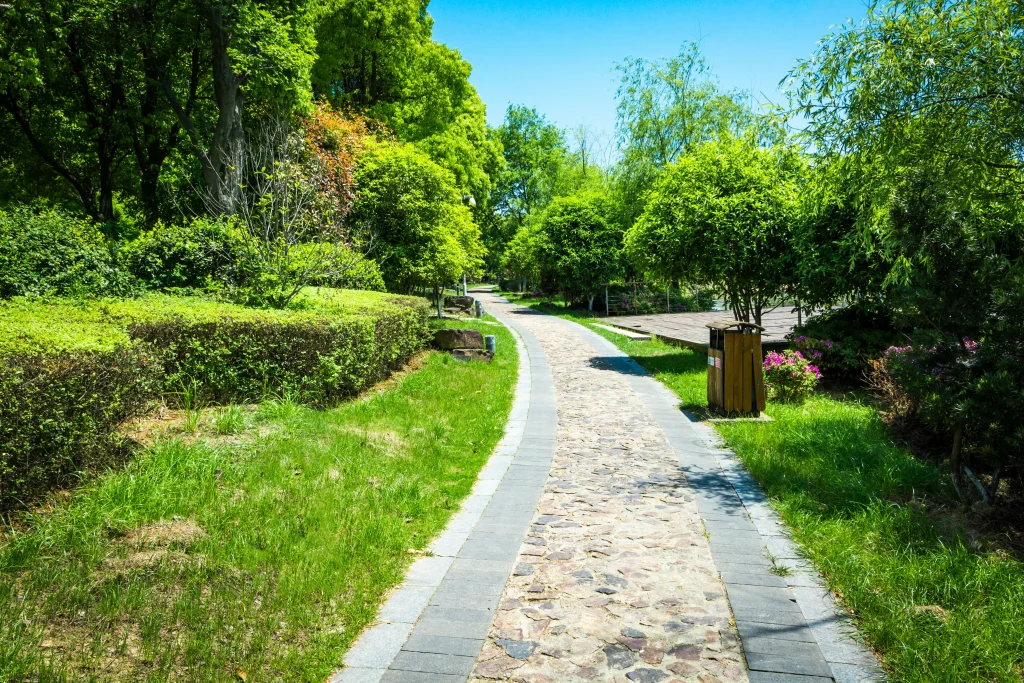
Inorganic mulch covers soil with material that does not decompose, such as rock, gravel, rubber, plastic, and landscape fabric. Homeowners choose it for long service life, steady weed control, and a clean finish on paths and decorative beds.
The trade-offs matter as much as the benefits. Rock and gravel last for years, while film and fabric wear out sooner. These materials add no nutrients to soil, and some trap heat or block water. This guide explains each type, compares it with organic options, and shows where each one belongs.
What is inorganic mulch?
Inorganic mulch is any non-living material spread over soil to protect it. Natural options include gravel, river rock, and lava rock. Manufactured options include rubber, plastic film, and landscape fabric. Some extension sources label rubber, plastic, and fabric as synthetic mulch, but most landscaping guides group them here because they are not plant-based. None of these materials feeds the soil.
Organic mulch comes from plants, such as bark, wood chips, leaves, and compost. It decomposes, adds organic matter to soil, and needs replacing every one to four years, according to UConn. Stone and rubber last longer than organic mulch, though fabric and plastic wear out in time. Upkeep centers on keeping the surface clean and in place.
Types of inorganic mulch
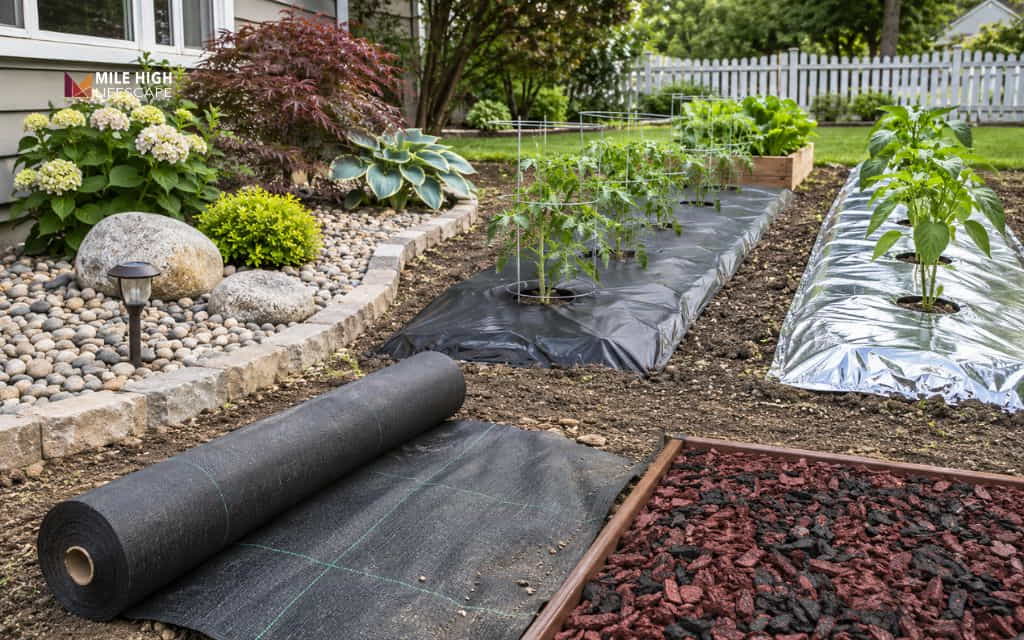
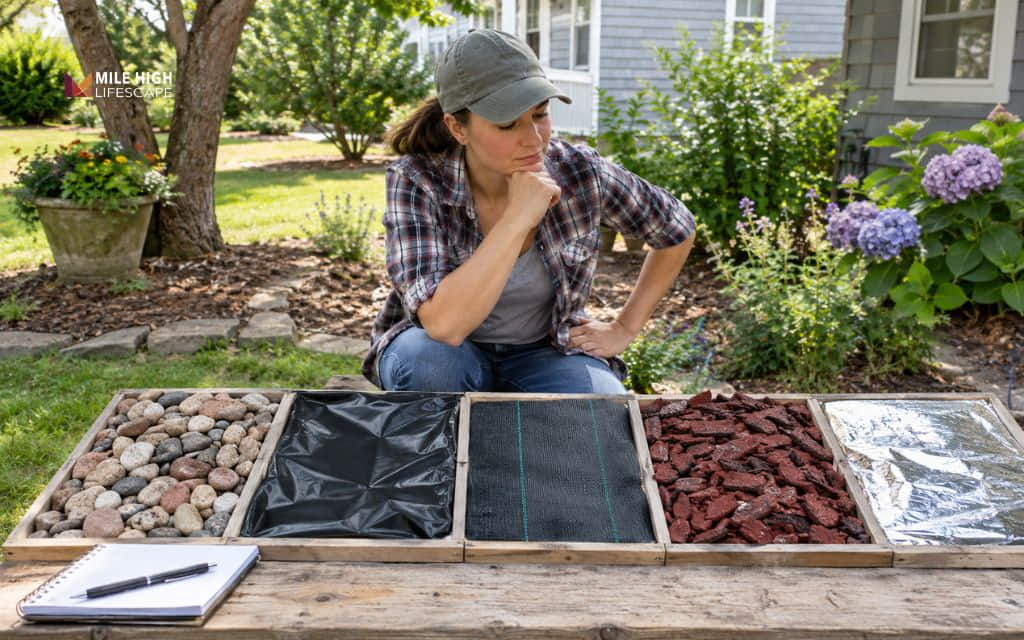
Five categories cover most landscape uses: rock, plastic film, landscape fabric, rubber, and reflective film. Each suits a different job, so match the material to the site instead of to the price.
1. Rock mulch
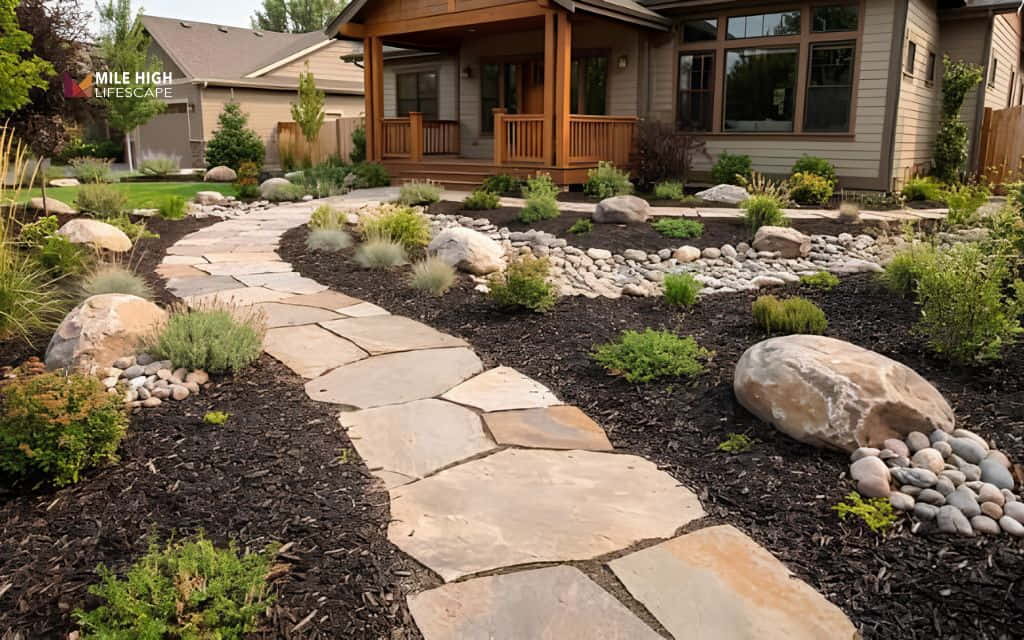
Rock mulch includes gravel, river rock, crushed stone, lava rock, and decorative stone. It suits pathways, driveways, borders, and dry landscapes with few plants. Stone weathers slowly, so a layer lasts for years. Loose stone lets water drain through, though it holds less moisture than wood chips. For help placing stone, turn to landscape rock services.
Limits come with the material. Windblown dust and leaves collect between stones, and weeds root in that debris. Stones also sink into soil. Heat varies by site: UConn notes that some sites run too hot for certain plants, while Illinois Extension reports research showing that rock mulch does not raise summer soil temperatures. Keep stones clear of plant stems.
2. Plastic mulch
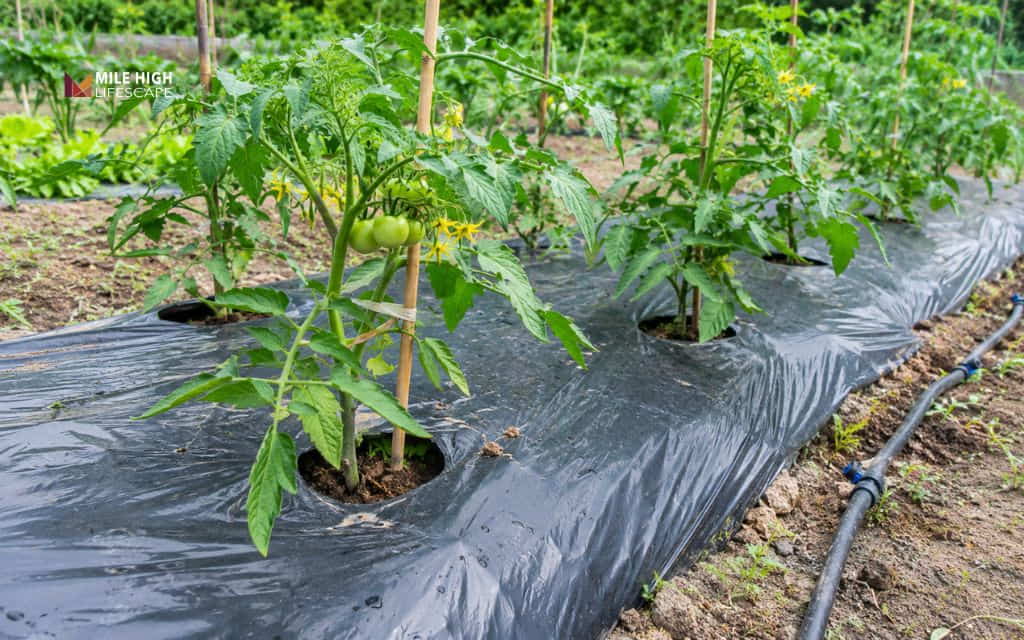
Plastic mulch comes as black, clear, and white film. Black film blocks light, so weeds struggle beneath it, and it warms soil for heat-loving vegetables. Clear film warms soil as well, but light passes through it, so weeds can grow underneath. White film reflects sunlight and keeps soil cooler.
Plastic works best in vegetable beds. It keeps rain out, so cut planting holes or add drip lines to deliver water to roots. Film also deteriorates in sun and needs replacement, which makes it a seasonal tool instead of a permanent cover.
3. Landscape fabric
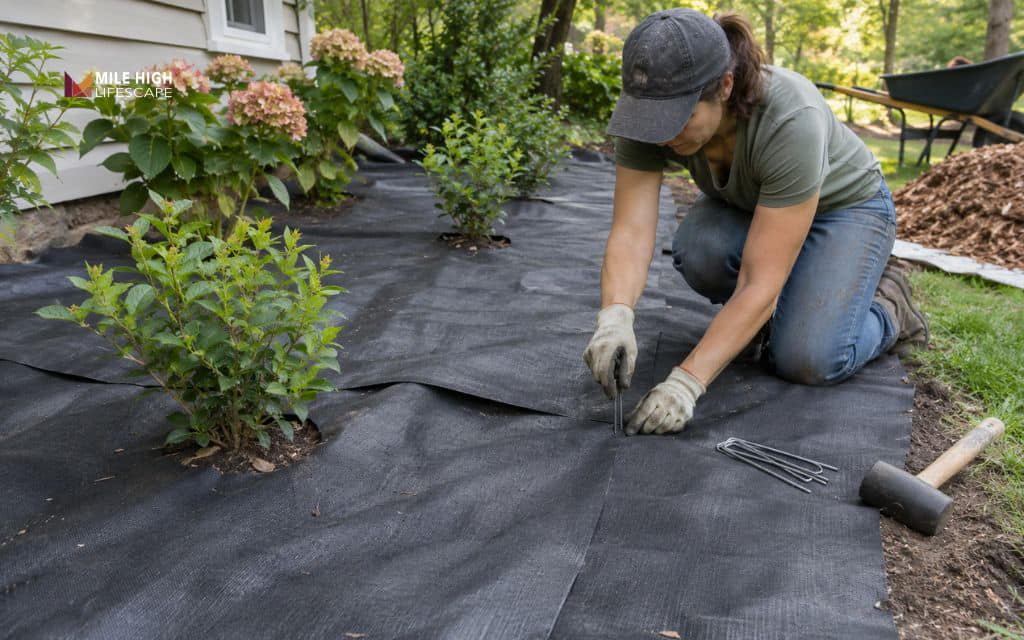
Landscape fabric, also called geotextile, comes in woven and nonwoven forms. Gardeners lay it beneath stone or bark to slow weeds, and it also stabilizes soil on slopes. It lets some water through, unlike solid plastic, but it can restrict air movement between soil and atmosphere. Overlap sheets so weeds cannot sprout through the seams.
Beds that get replanted often are a poor fit, because digging tears the fabric. Weeds root in debris on top of it, and the fabric breaks down in time. Extension specialists at Washington State University and University of Nebraska describe it as temporary weed control, not a permanent fix.
4. Rubber mulch
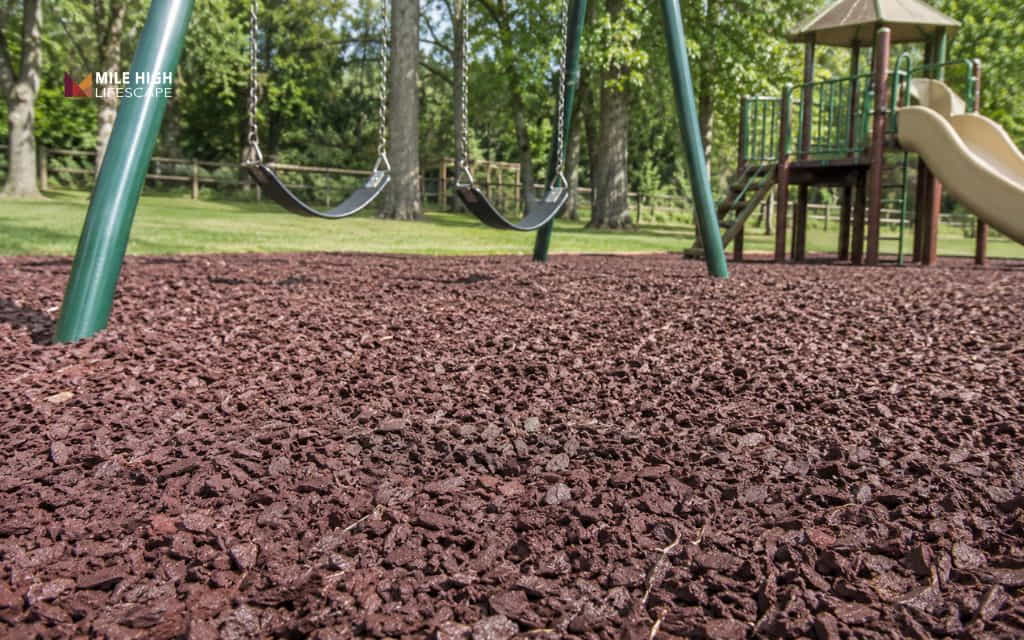
Rubber mulch comes from recycled tires and is sold as chips or mats. It stays in place in wind and rain, and it cushions falls, which is why it appears in play areas. For any play surface, confirm that the material meets current playground safety requirements.
Its risks are documented. Washington State University warns that zinc leaches from rubber as it breaks down and can harm plants. Research from the University of Nevada found that rubber ignites more easily and burns hotter than bark or pine needles. Keep rubber out of planted beds and away from fire pits and grills.
5. Reflective mulch
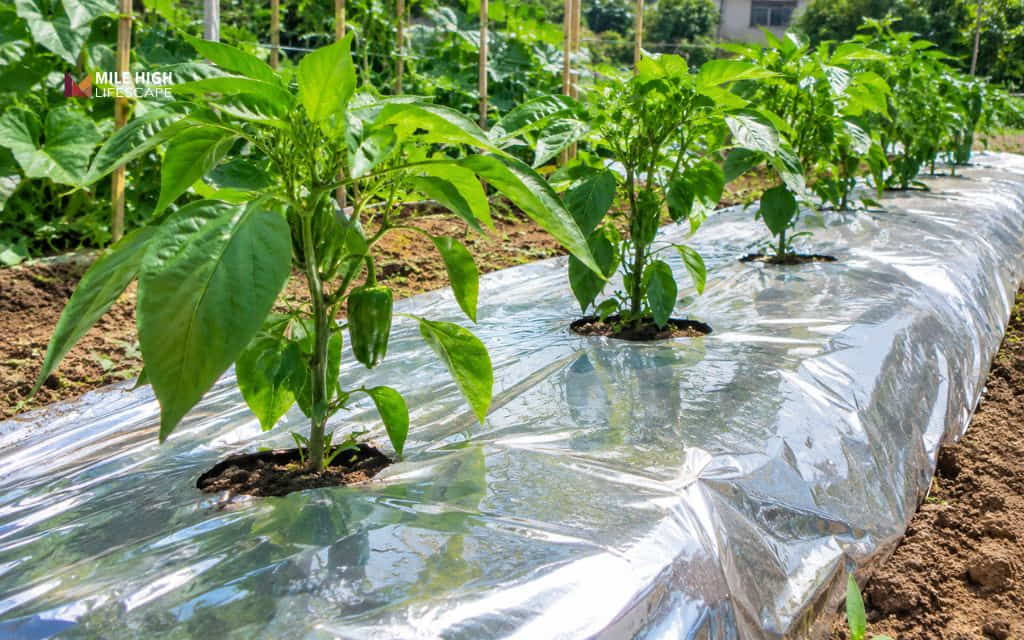
Reflective mulch is metallic or silver film made for vegetable production. It bounces light upward, and UConn notes that this reflection confuses flying insects so fewer land on plants. As a film, it also shades soil and limits weeds.
Reflective film follows the same rules as other plastic: cut planting holes and supply water through drip lines. Keep it free of shade, because shadow cuts the reflection. It costs more than black plastic and looks out of place in decorative beds, so growers use it in vegetable rows.
Pros and cons of inorganic mulch
Benefits and drawbacks depend on the material, so weigh them against the job. Stone and rubber last longest, while fabric and plastic trade a lower upfront cost for earlier replacement. Review both lists before you commit, because a strength in one setting can be a weakness in another.
Advantages of inorganic mulch
These benefits apply most to stone and rubber, and they hold when the material suits the site.
- Long-lasting coverage: Stone weathers slowly, so a properly installed layer stays in place for years without a refill.
- Less frequent replacement: Stone and rubber need fewer refills than organic mulch, which needs replacing every one to four years.
- Weed suppression: Film and fabric block light, and a deep stone layer controls weeds in the short term when installed on a clean bed.
- Decorative options: Stone comes in many colors and sizes that suit modern, rustic, and dry-climate designs.
- Resistance to displacement: Heavy stone holds against wind and rain better than light organic mulch, such as straw or leaves.
Disadvantages of inorganic mulch
These drawbacks vary by material, so check each one against your site before you buy.
- No soil benefit: These materials add no organic matter or nutrients, unlike wood chips or compost, so the soil gains nothing from the cover.
- Heat buildup: Some sites run hot with stone or dark materials, so match the material to plant tolerance before you install it.
- Difficult removal: Stone mixes into soil over time, and fabric tangles with roots, so removal and replacement take real effort.
- Weeds still grow: Windblown seed and debris collect on stone and fabric, and weeds root in that layer.
- Synthetic material concerns: Rubber can leach zinc, and fabric and plastic can restrict air and water movement.
Inorganic vs. organic mulch: What’s the difference?
The two groups differ in origin, lifespan, and effect on soil. Use this table to compare them:
| Factor | Inorganic mulch | Organic mulch |
| Materials and composition | Stone, rubber, plastic film, landscape fabric | Bark, wood chips, leaves, straw, compost |
| Decomposition | None for stone; film and fabric degrade; rubber breaks down slowly | Decomposes over time |
| Soil health | Adds no nutrients or organic matter | Adds organic matter and supports soil life |
| Moisture management | Plastic sheds rain unless holes or drip lines are added; fabric can restrict water and air; loose stone lets water pass | Reduces evaporation; coarse wood chips allow good air and water exchange |
| Weed suppression | Short term for stone; film blocks light; weeds root in debris | Good control when layered at the right depth and refreshed |
| Maintenance | Remove debris, pull weeds, reset sunk stone, replace worn film or fabric | Replace every one to four years as it breaks down |
| Cost considerations | Stone and rubber cost more upfront; film and fabric cost less but wear out sooner | Usually lower upfront cost, with repeat replacement |
| Best applications | Pathways, dry landscapes, play areas, vegetable rows | Beds with trees, shrubs, and perennials |
Organic mulch is often the better choice around living plants because it improves soil as it breaks down. This group suits pathways, decorative areas, and specific jobs such as vegetable rows or play surfaces.
Where should you use inorganic mulch?
Each material has a job where it performs best. Match the surface to the site, and the cover stays in place and does its work for years. These five pairings show the usual fits.
- Walkways and pathways: Gravel, crushed stone, and decomposed granite give a firm, durable surface that holds up under regular foot traffic.
- Decorative landscape beds: River rock and pebbles work where plants tolerate stone and the stones stay clear of stems.
- Rock gardens and dry landscapes: Stone suits drought-tolerant plantings chosen for dry, lean conditions, since those plants do not need a cover that feeds the soil.
- Vegetable gardens: Plastic or reflective film serves specific crops, with planting holes and drip irrigation to supply water because film sheds rain.
- Recreational areas: Rubber surfacing suits play areas when it meets current playground safety requirements and sits away from fire pits and grills.
How to choose the right inorganic mulch
Six factors decide the right material. Weigh them in this order:
- Intended application: Define the job first, whether it is a path, a border, a vegetable row, or a play area.
- Climate and soil temperature: In hot, sunny sites, check plant tolerance before using stone or dark film, since heat can stress some plants.
- Drainage and plant requirements: Plants that need steady moisture do better with organic mulch, because plastic sheds water and fabric can restrict water and air.
- Installation and maintenance needs: Stone needs a clean base and regular debris removal, while film and fabric need anchoring and eventual replacement.
- Material cost and long-term value: Stone and rubber cost more upfront but last longer, while film and fabric cost less and wear out sooner.
- Environmental considerations: Rubber can leach zinc as it breaks down, so keep it away from planted beds.
How to install and maintain inorganic mulch
Start by pulling weeds by the roots, clearing debris, and leveling the soil, then set edging. Methods differ by material. Spread loose stone at 2 to 3 inches and keep it clear of stems and trunks. Lay film and fabric flat, cut planting holes, and anchor the edges so wind cannot lift them.
Do not add fabric beneath every material. Weeds root in debris on top of it, and it wears out. Reserve it for slopes or stone over chronic weed beds, and skip it in beds you replant. Once installed, follow this upkeep routine.
- Clear debris: Remove leaves and soil from stone, since weeds root in that layer.
- Pull weeds early: Remove seedlings before roots reach the soil below.
- Reset displaced material: Rake sunk or scattered stone back into place and re-anchor film.
- Replace worn covers: Swap out film and fabric once they crack, tear, or break down.
Conclusion
Inorganic mulch makes sense for paths, dry landscapes, play areas, and vegetable rows, where durability matters more than soil feeding. Organic mulch remains the better choice around trees, shrubs, and perennials. Match the material to the job, keep stone clear of plants, and skip fabric where it adds little.
Homeowners in Denver and across the Front Range can rely on Mile High Lifescape for mulch installation services that fit the site, from material choice to final cleanup. Call (303) 877-9091 for an estimate before you buy any materials.
Frequently asked questions (FAQs)
Does inorganic mulch prevent weeds?
It slows weeds but does not stop them. Film and fabric block light, and stone limits seed contact with soil. Windblown seed and debris still collect on top, and weeds root there, so regular cleanup is necessary. Extension specialists describe fabric as temporary weed control.
How long does inorganic mulch last?
It depends on the material. Stone weathers slowly and lasts for many years. Plastic film and landscape fabric deteriorate and need replacement. Rubber breaks down slowly despite claims of permanence, and it releases zinc as it does.
Is inorganic mulch good for plants?
It protects soil but does not feed it. Wood chips and compost add organic matter, while stone, film, and rubber do not. For trees, shrubs, and perennials, organic mulch is usually the better choice. Use these materials where plants are few or the job is a path, border, or vegetable row.
Does inorganic mulch retain moisture?
Any mulch layer shields soil from the sun and slows evaporation. Plastic film holds soil moisture but sheds rain, so planting holes or drip lines must supply water. Loose stone lets rain and irrigation through, but it does not absorb water the way wood chips do.
Can you mix organic and inorganic mulch?
Yes, in separate layers or zones. UConn notes that gardeners often cover fabric or plastic with organic mulch for appearance. Keep stone and wood chips in distinct areas, because leaves and wood debris inside stone invite weeds.