Lawn Care Tips

Fertilizer and Lawn Seed Guide for Colorado Lawns: Timing, Technique, and Tools

Fertilizer and Lawn Seed Guide for Colorado Lawns: Timing, Technique, and Tools

9 minutesAchieving that perfect, lush lawn in Colorado can feel like an uphill battle. Between the semi-arid climate, unpredictable weather patterns, and high elevation challenges unique to Denver, many homeowners find themselves confused about when to seed, when to fertilize, and whether these tasks can be done simultaneously. The good news? With the right approach to […]

Fertilizer and Lawn Seed Guide for Colorado Lawns: Timing, Technique, and Tools Read More »
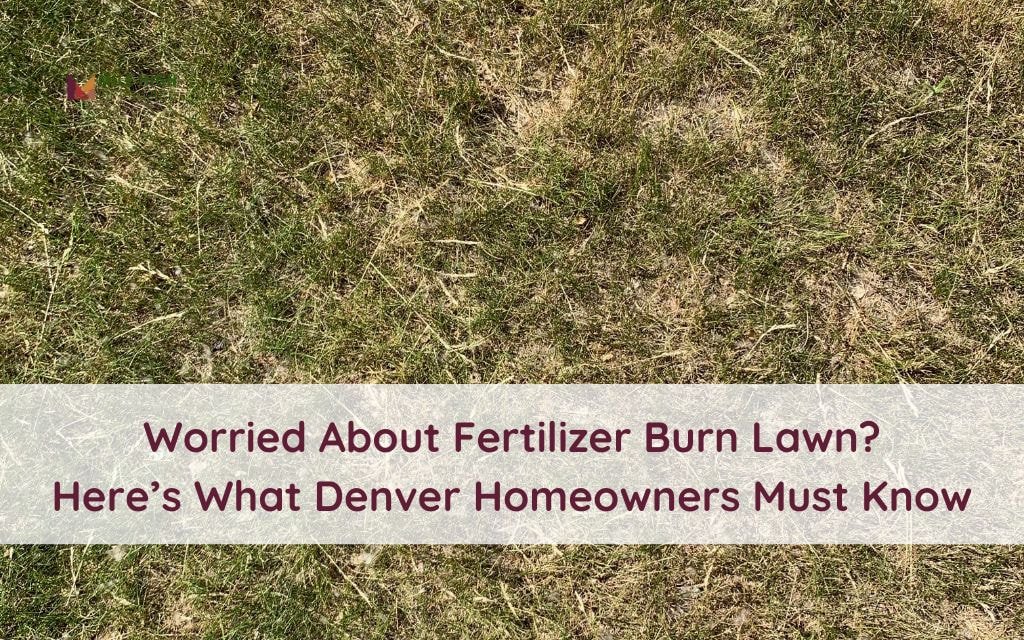
Worried About Fertilizer Burn Lawn? Here’s What Denver Homeowners Must Know

Fertilizer Burn Lawn: Recognizing and Recovering from Fertilizer Burn

6 minutesFertilizer burn lawn occurs when excessive nutrients damage grass through chemical overload, creating visible yellow or brown patches across your lawn. This common issue affects many Denver homeowners due to our region’s dry climate and varied seasonal conditions. Understanding how to recognize, address, and prevent this lawn damage will help you maintain a vibrant yard

Fertilizer Burn Lawn: Recognizing and Recovering from Fertilizer Burn Read More »

Winterizing Lawn Fertilizer Guide for Denver Lawns to Survive the Cold

Winterizing Lawn Fertilizer Guide for Denver Lawns to Survive the Cold

8 minutesWhile many homeowners believe lawn care ends when leaves fall, the final fertilization before winter might be the most crucial application of the year. Winterizing lawn fertilizer prepares your grass for dormancy and builds the foundation for spring recovery. Without this critical step, your lawn enters winter vulnerable and wakes up weakened in spring. At

Winterizing Lawn Fertilizer Guide for Denver Lawns to Survive the Cold Read More »

Best Fertilizers for Summer Lawn Care in Denver: Expert Tips for Your Yards

Best Fertilizers for Summer Lawn Care in Denver: Expert Tips for Your Yards

7 minutesSeeing brown patches spread across your lawn? Denver’s unique climate creates specific challenges for maintaining a vibrant yard through summer. Our high altitude, intense UV exposure, and unpredictable weather patterns combine to stress even the hardiest grass varieties. However, selecting the right summer lawn fertilizer can transform your struggling turf into the lush, green yard

Best Fertilizers for Summer Lawn Care in Denver: Expert Tips for Your Yards Read More »

The Best Fall Lawn Fertilizer for Denver Lawns to Thrive Through Cold and Snow

The Best Fall Lawn Fertilizer for Denver Lawns to Thrive Through Cold and Snow

7 minutesDoes your lawn turn brown every winter? Denver’s climate presents specific challenges for maintaining healthy grass. The combination of cold temperatures, dry air, early frosts, and compacted soil creates harsh conditions for your lawn to endure. Fall fertilization offers a solution by helping grass roots grow deeper, store essential nutrients, and survive Colorado’s snow and

The Best Fall Lawn Fertilizer for Denver Lawns to Thrive Through Cold and Snow Read More »

When Should You Mow New Lawn for the First Time? Don't Ruin It by Cutting Too Soon

When Should You Mow New Lawn for the First Time? Don’t Cutting Too Soon

8 minutesNew lawns require patience before the first mow. Wait until your grass reaches 3.5-4 inches tall – typically 3-4 weeks for seed and 10-14 days for sod in Denver’s climate. This timing allows proper root establishment before introducing the stress of mowing. Each lawn type (seed, sod, or hydroseed) has specific requirements that determine when

When Should You Mow New Lawn for the First Time? Don’t Cutting Too Soon Read More »

Is It Okay to Mow The Lawn When It’s Wet? Tips for Mowing in Denver’s Climate

Is It Okay to Mow The Lawn When It’s Wet? Tips for Mowing in Denver’s Climate

7 minutesCan you mow a wet lawn? The short answer: No, mowing a wet lawn risks damage to your grass, soil, and equipment. After rain or irrigation, Denver homeowners often face the dilemma of when to mow their saturated lawns. This challenge intensifies during spring storms, following irrigation cycles, or after snowmelt in our unique climate.

Is It Okay to Mow The Lawn When It’s Wet? Tips for Mowing in Denver’s Climate Read More »

Mow Smarter, Not Harder: Best Height to Mow Lawn for Deep Roots

Best Height to Mow a Lawn: By Lawn Type & Season in Denver, CO

7 minutesFor most lawns, the best mowing height is around 2.5 to 3.5 inches. This height helps the grass absorb sunlight, provides shade for the soil, and helps it compete against weeds. Keep in mind that the ideal mowing height may differ a bit based on the grass type and the season. However, many homeowners cut

Best Height to Mow a Lawn: By Lawn Type & Season in Denver, CO Read More »

How Long Does It Take to Mow Lawn? Factors That Affect Mowing Duration Explained

How Long Does It Take to Mow Lawn? Factors That Affect Mowing Duration Explained

7 minutesHow long does it take to mow lawn? Mowing a lawn typically takes 30-90 minutes for average suburban properties, depending on size, mower type, and terrain conditions. This time investment represents the most underestimated aspect of lawn maintenance, with many homeowners discovering the task consumes significantly more of their weekend than anticipated. Understanding your specific mowing

How Long Does It Take to Mow Lawn? Factors That Affect Mowing Duration Explained Read More »

Avoid Damage: How Long to Wait to Mow After Lawn Treatment?

Avoid Damage: How Long to Wait to Mow After Lawn Treatment?

8 minutesHave you ever wondered exactly how long to wait to mow after lawn treatment? The timing between applying treatments and mowing determines whether your yard thrives or struggles. Most homeowners should wait 24-48 hours after fertilizing, 48 hours after herbicide application, and 24-48 hours after pest treatments – but Denver’s unique climate can change these

Avoid Damage: How Long to Wait to Mow After Lawn Treatment? Read More »

Scroll to Top