What color mulch is best for your yard? For most homeowners, brown is the answer, because it suits nearly every plant, siding, and roof you are likely to pair it with. Black and red earn a place in the right setting, and this guide explains when each one works.
You will see what color mulch is best for each type of bed, how sun and heat affect each shade, and how to avoid the mistakes that leave a bed looking patchy or faded.
What color mulch is best for most yards
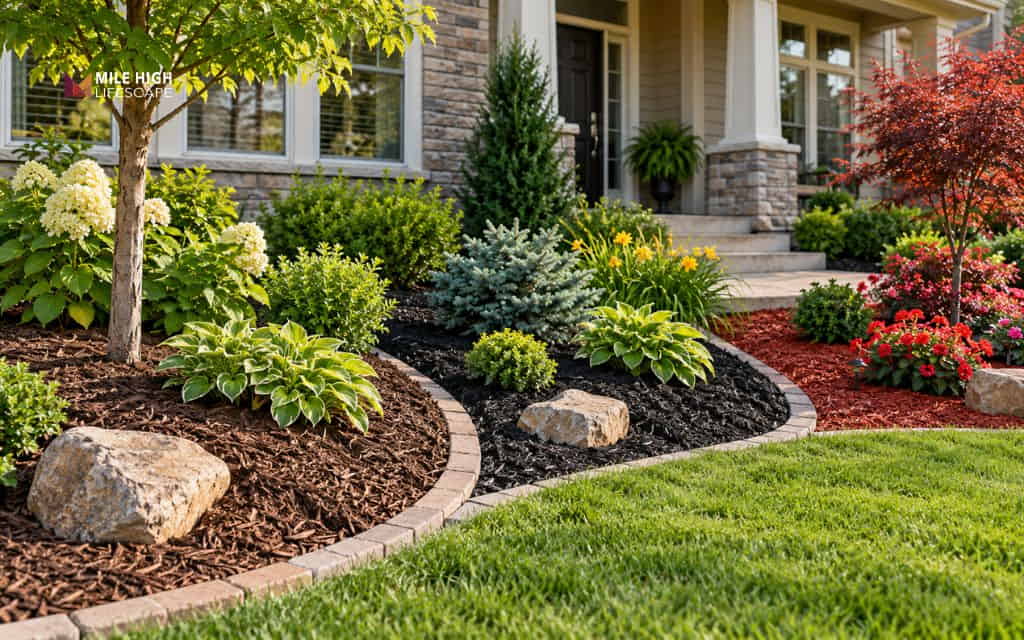
Brown wood mulch is the safest answer to what color mulch is best. It looks natural, blends with the soil, and pairs with nearly every siding, roof, and plant. Dark bark colors also set off green foliage, which keeps the focus on your plants instead of the bed beneath them.
Black and red work well when you have a reason to choose them. Black makes bright foliage and white blooms stand out, and red warms a bed of white, yellow, or blue flowers. Gray wood chips suit cool-toned siding. As a rule, start with brown, and move to another color only when your design calls for it.
Mulch colors compared
Landscape mulch colors fall into four common groups. The table below shows what color mulch is best for each setting, and it sets red versus brown mulch beside black and gray so you can compare the trade-offs at a glance.
| Color | Best with | Watch for |
| Brown | Nearly every home, plant, and flower | Few drawbacks, which makes it the default pick |
| Black | Bright foliage, white blooms, and modern exteriors | High heat absorption, and it fades to gray |
| Red | White, yellow, and blue flowers | High heat absorption, a clash with purple, pink, and orange blooms, fading to rusty brown, and stains on light concrete |
| Gray | Cool-toned siding and stone | Shade varies by product, so test a sample first |
Start with the material, then pick the shade
Material comes first, because it sets how long the bed lasts and what the soil gets in return. Wood chips, bark, and shredded hardwood break down and feed the soil, and that breakdown rate depends on the material, not on the color you choose.
Rubber and stone hold their color longer than wood but add nothing to the soil. That trade-off defines organic mulch vs inorganic mulch, so choose the material before the shade. Once you settle that choice, what color mulch is best for your bed becomes an easier call.
Match mulch color to your plants and home
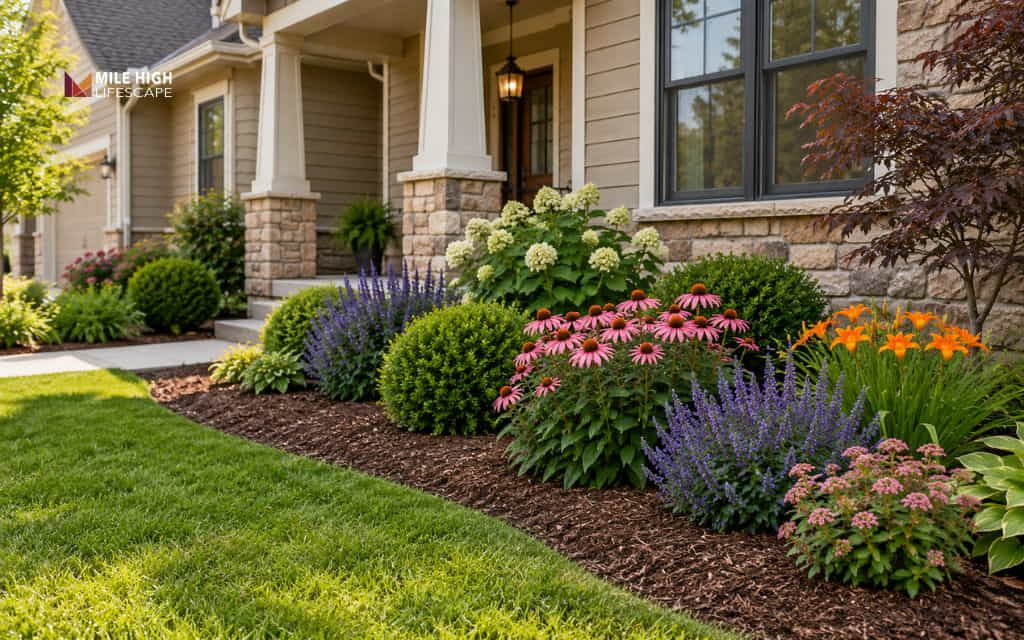
Deciding what color mulch is best for each bed starts with the plants. Match the color to the blooms in each flower bed: red lifts white and yellow flowers, while black and brown suit purple, pink, and orange. Beside red brick, brown or black mulch lets the brick stand out, and red mulch can stain light concrete.
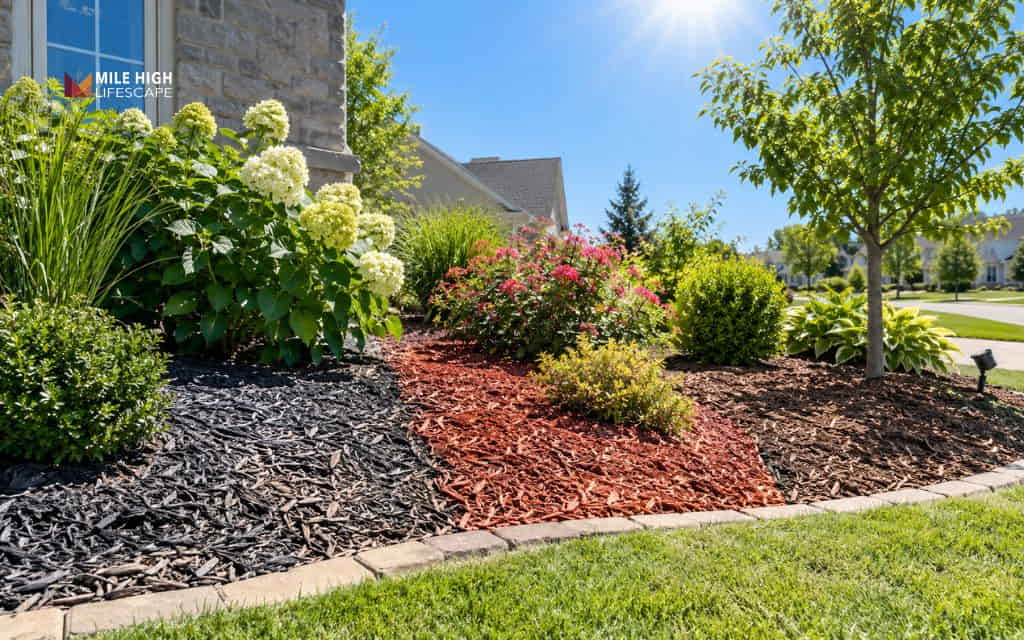
Keep one color in each bed, because red and black mulch mixed together looks patchy rather than planned. If you want to mix mulch colors, separate them by bed and repeat the same shade across connected areas. Use mulch colors images as a guide only, since screens distort shade, and test a handful in daylight before you buy.
How sun, heat, and fading change the answer
Black and red mulch hold more heat at the surface than lighter shades. Horticultural research shows that mulch color and depth affect surface temperature more than soil temperature below. So what is the best color mulch for a sunny bed? Brown is the safer choice, and that answer to what color mulch is best holds in most hot yards.
All colors of mulch fade in the sun, with black turning gray and red turning rusty brown. Fading is a cue to check the bed, not a deadline to replace it. Rake the bed first, and decide how often to replace mulch by depth and condition, not by shade.
Dyed mulch vs natural mulch
Before you decide what color mulch is best, decide between dyed and natural products. Natural mulch keeps the color of the wood and weathers toward gray over time. Color-treated mulch holds its shade longer than untreated mulch, which fades faster, and dye can restore color on an older bed.
Safety is a common worry when you choose what color mulch is best, and it depends on the wood, not the dye. University of Massachusetts Extension reports no evidence that mulch dyes are toxic and names wood contamination, such as treated lumber, as the main concern. Ask your supplier where the wood comes from.
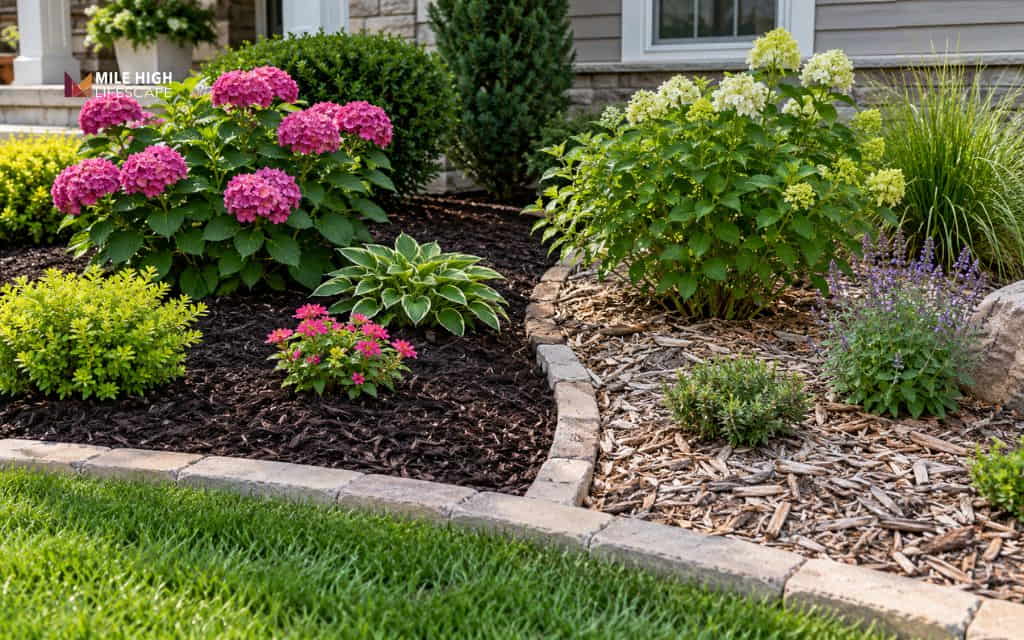
Mulch color mistakes to avoid
Most regrets about what color mulch is best trace back to five errors:
- Choosing from a photo: Screens distort shade, so test a handful in daylight beside your siding before you buy.
- Pairing red with the wrong blooms: Red clashes with purple, pink, and orange flowers, so save it for white, yellow, or blue ones.
- Mixing shades in one bed: Pick one color for each bed, which keeps the look planned and consistent.
- Layering too deep: Keep mulch 2 to 3 inches deep, no matter which color you choose.
- Piling mulch on stems: Pull mulch back 2 to 3 inches from stems and trunks, and leave that ring bare.
Conclusion
In the end, what color mulch is best comes down to your plants, your home, and your sun, and for most yards the answer is brown. Choose black or red only when those factors support the choice, and keep one shade in each bed. Pick the material first, and rake faded mulch before you replace it.
If you want the color chosen and the bed finished for you, Mile High Lifescape provides mulch installation services for homeowners across the Denver Metro area. With nearly two decades of experience, we match the shade to your plants, set the depth that holds moisture and blocks weeds, and finish on schedule. Call (303) 877-9091 for a free quote.
Frequently asked questions (FAQs)
What color mulch is best for flower beds?
Brown works with every bloom color, which makes it the easy choice for mixed beds. Black suits purple, pink, and orange flowers, and red suits white, yellow, or blue ones. Pick the shade that flatters your main blooms.
What color mulch is best for purple flowers?
Brown or black suits purple flowers best. Red mulch clashes with purple, pink, and orange blooms, so it pulls attention away from the plants instead of supporting them.
What color mulch is best for white flowers?
Red lifts white blooms and makes them stand out, and brown works well too. Choose red only if the rest of the bed also avoids purple, pink, and orange flowers.
What color mulch is best for a modern home?
Black gives modern exteriors strong contrast, and gray wood chips suit cool-toned siding. If you feel unsure, brown remains the safe pick, since it pairs with nearly every siding and roof.
What color mulch is best next to red brick?
Choose brown or black beside red brick. Both colors give the brick contrast and let it stand out, while red mulch competes with it and can also stain light concrete nearby.
What color mulch is best in full sun?
Black and red mulch absorb more heat at the surface than lighter shades, so brown suits sunny, exposed beds better. Keep the layer at 2 to 3 inches deep, whatever the color.
What color mulch is best if you cannot decide?
Brown is the best choice when you cannot decide. It suits nearly every plant, siding, and roof, so it carries little risk of a clash. Test a handful beside your siding in daylight first, and switch to black or red later if your design calls for it.
Does mulch color change how fast it breaks down?
No, the color does not change how fast mulch breaks down. The material sets that rate, so pick the wood first and then decide what color mulch is best for your bed.